

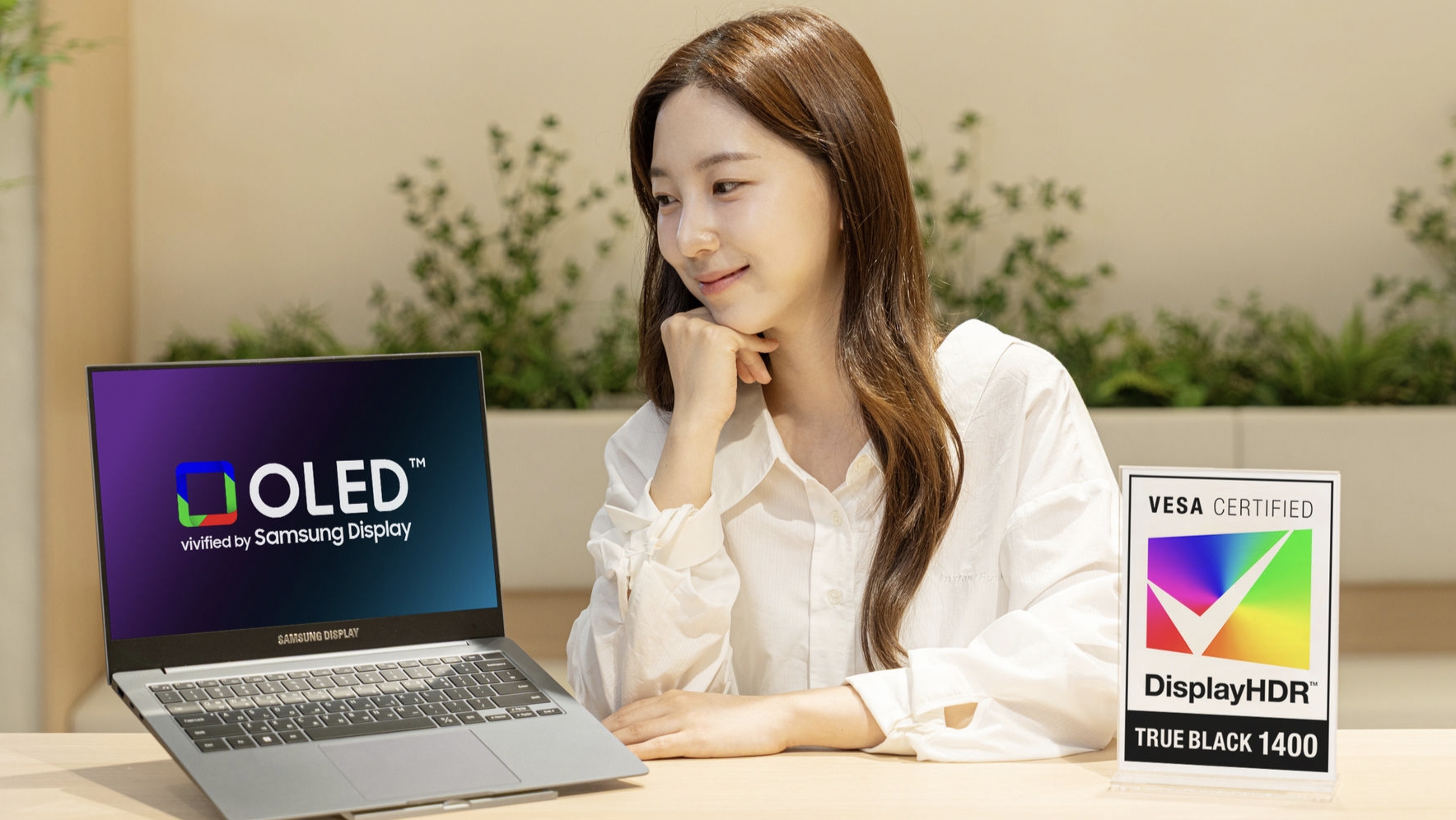
Samsung Introduces 1,600-Nit Tandem OLED Display for Premium Laptops, Raising the Bar for Brightness and HDR Quality
The next generation of flagship laptops is set to deliver brighter visuals, deeper blacks and improved power efficiency thanks to Samsung Display’s latest Tandem OLED technology.
Samsung Display has officially revealed its latest 1,600-nit Tandem OLED panel, marking one of the biggest upgrades ever seen in the premium laptop display segment. The new panel is designed to provide significantly higher brightness while maintaining OLED’s signature deep black levels and vibrant color reproduction.
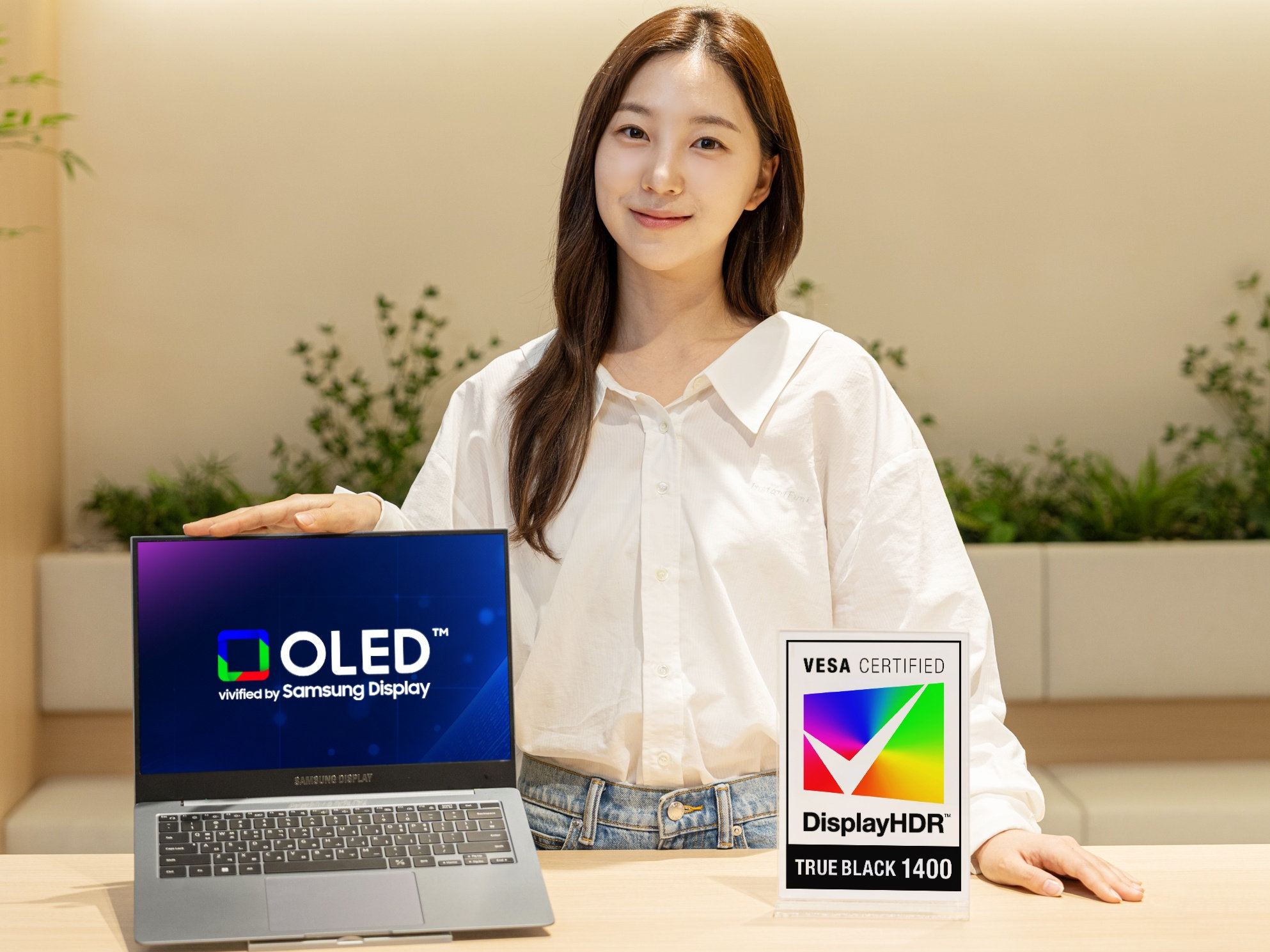
Unlike traditional OLED panels, Samsung’s Tandem OLED technology uses a dual light-emitting structure that improves overall efficiency, enhances durability and delivers a more immersive viewing experience. The display has already received the prestigious VESA DisplayHDR True Black 1400 certification, making it one of the most advanced OLED laptop panels available today.
Samsung’s new Tandem OLED display delivers an impressive 1,600 nits peak brightness, around 40% higher brightness than previous-generation OLED laptop panels while also improving energy efficiency and reducing the risk of OLED burn-in.
What Makes Tandem OLED Different?
Traditional OLED panels rely on a single light-emitting layer. Samsung’s new Tandem OLED architecture stacks two emission layers together, allowing the display to produce much higher brightness without placing excessive stress on a single layer.
This design not only improves visual performance but also increases the lifespan of the display. Since both layers share the workload, the panel experiences lower wear over time, helping minimize the possibility of permanent image retention commonly referred to as OLED burn-in.
Major Advantages of Samsung’s New Panel
Up to 1,600 nits for excellent HDR performance and outdoor visibility.
Consumes less power while maintaining similar brightness levels.
Dual-layer architecture helps reduce OLED burn-in risk.
Delivers deeper blacks, wider color gamut and outstanding contrast.
Samsung Tandem OLED vs Standard AMOLED Display
Although both technologies belong to the OLED family, Tandem OLED offers several improvements over the standard AMOLED panels commonly found in laptops and smartphones. The biggest advantage is its ability to achieve much higher brightness while maintaining excellent efficiency.
| Feature | Tandem OLED | Standard AMOLED |
|---|---|---|
| Light Emission | Dual-layer OLED | Single-layer OLED |
| Peak Brightness | Up to 1,600 nits | Typically 800–1,200 nits |
| HDR Performance | DisplayHDR True Black 1400 | Usually lower HDR certification |
| Power Consumption | Lower at similar brightness | Relatively higher |
| Burn-in Resistance | Improved durability | Standard protection |
| Color & Contrast | Excellent | Very Good |
First Laptop to Feature the New Display
Lenovo has become the first manufacturer to introduce Samsung’s latest Tandem OLED technology through the new Yoga Pro 9i Aura Edition. The laptop’s OLED panel has officially earned VESA DisplayHDR True Black 1400 certification, confirming its premium HDR capabilities.
Samsung Display has also confirmed that several leading PC brands including ASUS, Dell and MSI are preparing to launch flagship laptops equipped with the same 1,600-nit Tandem OLED display later this year.
Specifications at a Glance
| Parameter | Details |
|---|---|
| Display Technology | Tandem OLED (Dual-Layer OLED) |
| Peak Brightness | 1,600 nits |
| HDR Certification | VESA DisplayHDR True Black 1400 |
| Brightness Improvement | Approximately 40% Higher |
| Launch Partners | Lenovo, ASUS, Dell and MSI |
Competition Is Heating Up
The premium laptop display market is becoming increasingly competitive. Samsung’s breakthrough is expected to push other display manufacturers to accelerate innovation. Industry reports suggest that rival companies are also working on advanced OLED technologies to compete in the high-end notebook segment.
For consumers, this competition is excellent news. Over the coming months, buyers can expect laptops with brighter screens, better HDR performance, improved battery efficiency and enhanced display longevity, making premium notebooks more capable than ever before.

